
How Much Does Septic Tank Pumping Cost in Oregon?
National cost guides put a routine septic tank pumping at about $290 to $700. Three of them place the average between $400 and $428. A 1,000-gallon tank, Oregon's minimum for a home with up to four bedrooms, runs $225 to $700 in those guides.
Two of the guides list Portland at $440 to $750, the only Oregon city in their tables. None of them publishes a Rogue Valley figure. These are market numbers, not our price list. Our septic services page explains our pumping and repair work across Jackson and Josephine Counties.
What do national cost guides show by tank size?
Tank size sets the base price. A bigger tank means more gallons on the truck and more to unload at the treatment plant.
| Tank size | Range across four national cost guides |
|---|---|
| 750 gallons | $175 to $550 |
| 1,000 gallons | $225 to $700 |
| 1,250 gallons | $275 to $900 |
| 1,500 gallons | $345 to $1,100 |
| 1,750 gallons | $400 to $1,250 |
The low end of each row comes from the two lower-priced guides. The high end comes from the two higher-priced ones. Per-gallon rates in the guides run from 23 to 70 cents.
Oregon's septic rules set the size for a new tank. A home with four or fewer bedrooms needs at least 1,000 gallons, and a larger home needs at least 1,500. The Oregon Department of Environmental Quality (DEQ) notes that older tanks could be smaller and need pumping more often.
What raises the price of a septic tank pumping?
After tank size, most of the swing comes from reaching the tank and from what sits inside it:
| What can raise the price | What national guides show |
|---|---|
| A buried lid or blocked access | $50 to $200 more |
| Hardened sludge in an overdue tank | $100 to $300 more |
| Jetting the tank walls after pumping | $200 to $300 more |
| Cleaning the effluent filter | $100 to $200 in most guides |
| Adding a riser to bring the lid up | $100 to $1,000 |
| A weekend or after-hours visit | 50 to 100 percent above standard rates |
Finding and opening the lid
Someone has to reach the tank's main opening before the hose goes in. Oregon State University Extension says to pump through the large central manhole. Pumping through the small baffle inspection ports can damage the baffles.
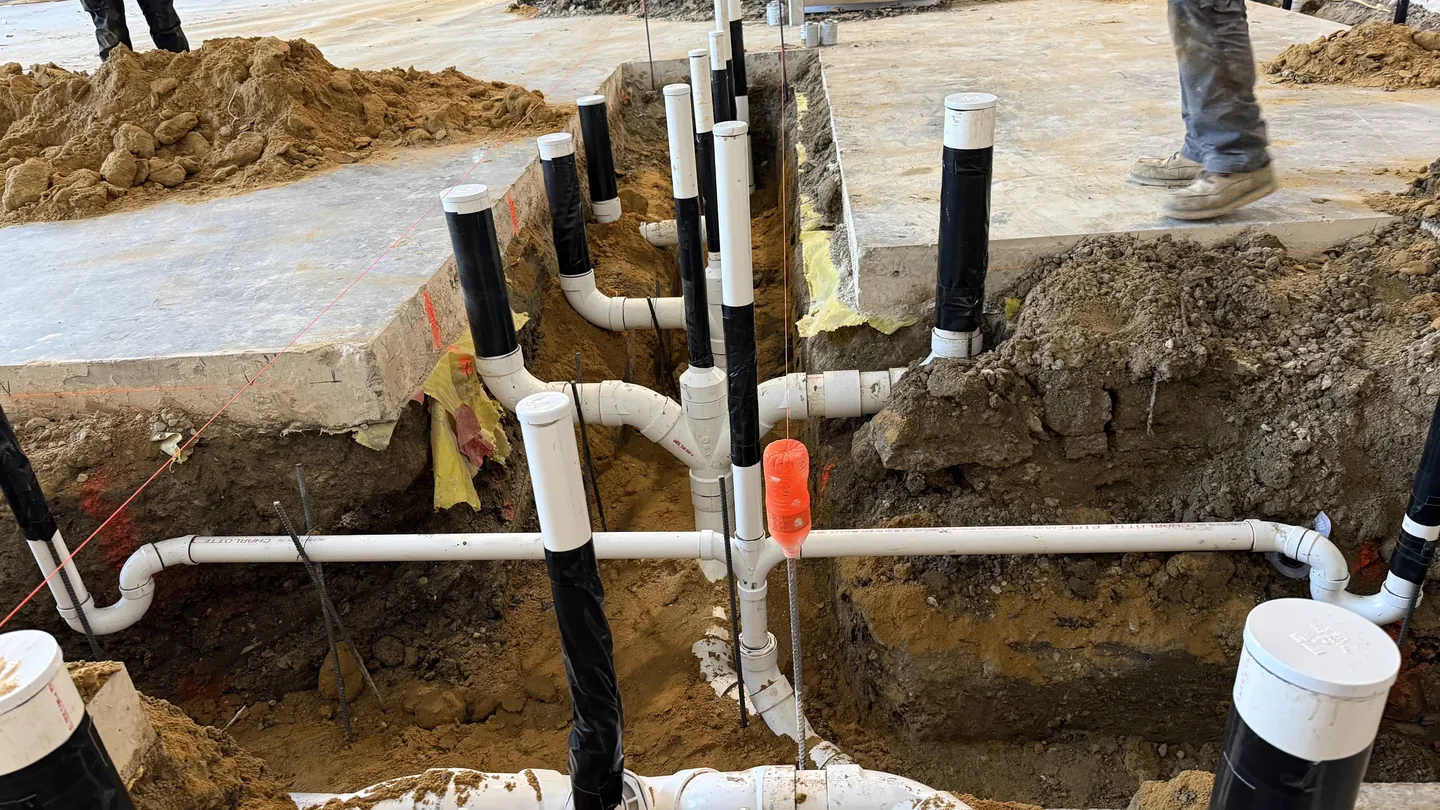
Oregon's rules now call for a new tank to have a watertight riser that reaches the ground surface. An older tank may have none, so the lid has to be dug out. If nobody knows where the tank is, check DEQ's septic records, which you can search online by parcel number.
Never climb into a septic tank to look. OSU Extension warns that the gases inside can kill a person in minutes.
What is inside the tank
A full pump-out removes the sludge on the bottom along with the liquid. DEQ says the scum layer must be broken up and the sludge stirred into the liquid first. The pumper does that by moving liquid back and forth between the truck and the tank. A thick, hardened layer takes longer to break up, so an overdue tank costs more.
DEQ also says a good pumper checks the tank and its tees or baffles. If a repair is needed, the pumper tells the owner, and the repair may need a permit.
Disposal fees
Septage is the material pumped out of a tank. Haulers usually pay a fee to unload it at a treatment plant, and each plant sets its own. One wastewater utility near Portland lists that fee at 12 cents a gallon. At that rate, unloading 1,000 gallons costs $120 before any labor.
Pump tanks and sand filters
Some Oregon systems send the tank's liquid to a sand filter or a pressure distribution drain field. DEQ recommends pumping the dosing tank, or the pump chamber, at the same time as the septic tank. More tanks mean more gallons on the bill.
How often does an Oregon septic tank need pumping?
DEQ says a properly sized tank typically holds three to eight years of use before it needs pumping. Its example is a four-bedroom home with a 1,000-gallon tank. With four people living there, the tank needs pumping about every three years. With two people, it is closer to every six.
DEQ recommends pumping when sludge and scum take up more than 35 percent of the tank. OSU Extension's septic guide estimates the years between pumpings for a year-round home:
| Tank size | 2 people | 4 people | 6 people |
|---|---|---|---|
| 1,000 gallons | 5.9 years | 2.6 years | 1.5 years |
| 1,250 gallons | 7.5 years | 3.4 years | 2.0 years |
| 1,500 gallons | 9.1 years | 4.2 years | 2.6 years |
A garbage disposal adds solids, and the same guide says those tanks need pumping more often. The U.S. EPA says household tanks are typically pumped every three to five years. Keep a record of each visit and the sludge and scum levels the pumper finds.
Who runs the septic program in Jackson and Josephine Counties?
Oregon DEQ runs the septic permit program in both counties itself, from its Medford office. A repair or a new system takes a DEQ permit. Oregon law requires a DEQ sewage disposal service license for anyone in the business of pumping septic tanks.
Jackson County says work on the pipe from the house to a septic tank needs a plumbing permit. DEQ inspects from the tank through the drain field.
Under DEQ's rules, sand filter and pressure distribution systems permitted on or after January 2, 2014 need a service contract. The contract is with a maintenance provider DEQ certifies, and the owner files an annual report with DEQ.
Some homes on Rogue Valley Sewer Services lines still have a tank, called a STEP or STEG system. RVSS maintains a handful of those pump systems. If you are not sure who maintains yours, call RVSS before anyone else makes repairs.
What does skipping a pumping cost later?
The EPA puts regular maintenance at $250 to $500 every three to five years. It puts repair or replacement of a failed conventional system at $5,000 to $15,000.
A tank full of solids sends them on toward the drain field. The EPA warns that a clogged drain field may need to be replaced. OSU Extension adds that some sites cannot take a replacement field at all.
Some problems go past pumping. A cracked line between the house and the tank calls for sewer line repair. When a tank has to be replaced, the job starts with excavation and site preparation. If one sink or tub drains slowly, a clog in that line may be the cause. Drain cleaning clears that.
How do you get a real number for your tank?
A national range helps you plan. A written quote for your own tank gives you the real number. Have these details ready when you call or text:
- The tank size, if you know it
- The date of the last pumping
- Where the lid is, and whether it has a riser
- How many people live in the home
- Whether the system has a pump tank or a sand filter
Hukill's pumps and repairs septic systems across Jackson and Josephine Counties, about 40 miles around Medford. Call or text (541) 734-9000 and tell us about your tank. We look at the job and put the quote in writing. Our page on septic tank pumping in the Rogue Valley lists the septic work we take on.